
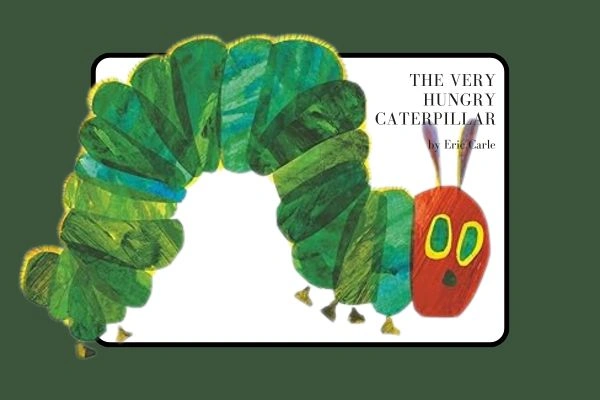
Few children’s books have reached the level of cultural reach and educational value as The Very Hungry Caterpillar. Written and illustrated by Eric Carle, this classic picture book has delighted kids for generations with its simple story, bright collage art, and playful design. While many people know the basic tale of a tiny caterpillar eating through a week’s worth of food before becoming a butterfly, there are plenty of interesting facts behind the book’s origins, impact, and design that most readers have never heard.
From why the book includes holes in its pages to how it became a tool for learning about numbers, food, days of the week, and life cycles, these facts show just how much thought and creativity went into this beloved story. Whether you are a parent, teacher, or lifelong fan, this look behind the scenes of The Very Hungry Caterpillar will deepen your appreciation for a book that continues to charm children around the world.
The Very Hungry Caterpillar: 10 Fun Facts Revealed
1. It Was Inspired By A Hole‑Punch And An Editor’s Suggestion
The idea for The Very Hungry Caterpillar came from a simple tool and a creative suggestion. Eric Carle originally wrote a story called A Week With Willi the Worm. According to stories about the book’s creation, Carle used a hole‑punch to cut shapes from paper and was intrigued by the result. His editor encouraged him to switch from a worm to a caterpillar, which is what made the story more appealing to young readers.
This decision also influenced the book’s signature design. The book’s pages have holes that look like the caterpillar has eaten through food items. These “eat‑through” holes have become one of the most recognizable and interactive elements of the story, making it more fun for little hands to follow along as the caterpillar munches through apples, plums, and more.
2. The Book Teaches Multiple Educational Concepts
While it reads like a whimsical story, The Very Hungry Caterpillar also teaches several key early learning ideas. The narrative introduces numbers and counting as the caterpillar eats through increasing numbers of fruits and snacks on each day of the week.
In addition, the pattern of days from Monday to Sunday helps children learn sequencing and the concept of time. The final transformation into a butterfly introduces young readers to the natural life cycle of insects. These combined lessons make the book an engaging educational tool for parents and teachers.
3. The Page Die‑Cuts Were Hard To Produce
One of the things that makes The Very Hungry Caterpillar stand out is the physical design of the book. The edible food items are represented by holes punched through pages, showing where the caterpillar has eaten.
This creative idea actually made printing the book more difficult and expensive. United States printers initially could not manage the required die cutting for the holes at a reasonable price, so the project was printed in Japan instead. That choice helped bring this innovative design into reality and made the book more memorable for families around the world.
4. The Story Shows Real Metamorphosis
At its heart, The Very Hungry Caterpillar is a transformation story. After eating for a week, the caterpillar spins a cocoon around itself and eventually emerges as a butterfly.
Although the book refers to the cocoon instead of the scientifically accurate term chrysalis, this depiction is intentional. The transformation highlights growth and change in a way that young readers can relate to, and it has been praised for helping children understand basic biology in a gentle and familiar way.
5. The Caterpillar’s Diet Includes Fun And Fictional Foods
The list of foods the caterpillar eats on Saturday is one of the story’s most memorable parts. In addition to healthy fruits earlier in the week, the Saturday spread includes fun and indulgent items like chocolate cake, ice cream, cheese, and a lollipop.
While real caterpillars do not eat these kinds of human foods, the mix adds humor and excitement to the story. It also provides a playful opportunity for children to think about nutrition and contrast healthy and less healthy choices, especially when the caterpillar ends up with a tummy ache!
6. The Book Has Sold Tens Of Millions Of Copies
The Very Hungry Caterpillar has been extremely successful since its first printing. It has sold more than 50 million copies in its many editions around the world, making it one of the best‑selling children’s picture books of all time.
It has also been translated into more than 60 languages, allowing children from diverse cultures to enjoy the story and its lessons. This universal appeal is a testament to the book’s simplicity, color, and timeless narrative.
.jpg)
7. It Introduces Kids To Counting And Days Of The Week
One of the clever educational features in The Very Hungry Caterpillar is its repetitive structure. Each day introduces a new food and a higher number to count.
Children can anticipate what the caterpillar will eat next and practice counting along with the story. This combination of repetition and prediction supports early math skills and encourages participation during read‑aloud moments with caregivers and educators.
8. The Book Has Helped Teach Nutrition
Some pediatricians and child health advocates have used The Very Hungry Caterpillar as part of campaigns to promote healthy eating. While the story doesn’t explicitly teach nutrition, the book’s progression from fruit to sweets presents a valuable springboard for conversations about balanced diets.
The American Academy of Pediatrics even partnered with other organizations to distribute copies of the book to pediatricians, accompanied by growth charts and parent handouts about healthy eating. This effort shows how a picture book can be used in unexpected ways to support real‑world learning and well‑being.
9. It Has Influenced Popular Culture And Literacy
The impact of The Very Hungry Caterpillar goes beyond the pages of the book. It has been used in literacy campaigns by figures like former First Lady Barbara Bush, who highlighted the book as part of her efforts to promote reading with children.
Google even celebrated the book’s 40th anniversary by creating a special homepage logo (known as a Google Doodle) in the style of the story’s illustrations. These cultural nods show how widely the book is recognized and how deeply it has touched generations of readers and educators.
10. Children Can Learn About Life Cycles Through The Story
While The Very Hungry Caterpillar is often read for enjoyment, it also subtly teaches young readers about the life cycle of insects. The progression from egg to caterpillar to cocoon and butterfly mirrors real biological processes that many children will later encounter in school.
This natural science lesson is wrapped in a narrative that makes the concept accessible and engaging. Kids can connect the colorful illustrations with the stages of growth and transformation, helping them build an early understanding of nature and cycles of life.
Why The Very Hungry Caterpillar Continues To Warm Hearts
What makes The Very Hungry Caterpillar so enduring is a mix of simplicity, education, and artistic charm. Eric Carle’s distinctive collage art—created from hand‑painted, layered tissue paper—gives the book a bright, tactile quality that draws children in.
The combination of playful storytelling, interactive page features, and lessons about counting, days of the week, and nature has ensured that the book remains a staple in children’s libraries everywhere. Parents, teachers, and caregivers continue to share it with new young readers, making it a beloved classic for decades to come.
How To Use The Book In Learning And Play
Parents and educators can use The Very Hungry Caterpillar to support learning across many areas:
- Reading and language: repeating phrases and predicting outcomes helps build early literacy.
- Math and counting: tallying the foods and numbers supports numeracy skills.
- Science and nature: discussing the caterpillar’s life cycle encourages curiosity about animals.
- Art and creativity: kids can make their own tissue paper collage inspired by the book’s visuals.
Sharing this book during reading time or play can turn an enjoyable story into a rich learning experience.
Frequently Asked Questions
- Who wrote The Very Hungry Caterpillar?
The Very Hungry Caterpillar is the beloved creation of author and illustrator Eric Carle. He created the story with hand-painted collage art and die-cut pages to make the book interactive and visually engaging for children.
- What is The Very Hungry Caterpillar about?
The story follows a tiny caterpillar as it eats through various foods each day of the week, grows bigger, spins a cocoon, and finally transforms into a butterfly. The book helps children learn counting, the days of the week, and the life cycle of a butterfly.
- How old is The Very Hungry Caterpillar suitable for?
The Very Hungry Caterpillar is ideal for toddlers and preschoolers, usually ages 2 to 6. Its simple language, bright illustrations, and interactive holes make it perfect for early learning and reading aloud.
- What Do The Holes In The Very Hungry Caterpillar Represent?
The holes represent the foods the caterpillar has eaten. This unique design allows children to follow the caterpillar’s journey visually and makes the story more interactive and fun to read.
- What lessons can children learn from The Very Hungry Caterpillar?
Children can learn numbers, counting, the days of the week, healthy versus indulgent foods, and the life cycle of a butterfly. The book also encourages observation, curiosity about nature, and early literacy skills.
Final Thoughts On A Timeless Classic
The Very Hungry Caterpillar remains one of the most beloved picture books in children’s literature. Its playful design, educational value, and vivid art capture the imagination of readers, young and old. Whether it’s the interactive holes in the pages, the lessons learned about days and numbers, or the beautiful transformation into a butterfly, this story has earned its place in the hearts of families and educators around the globe.
Through creativity, color, and a charming caterpillar’s journey, this book continues to invite generations to count, explore, learn, and imagine.